
Sheikh Hasina, a towering figure in Bangladeshi politics, served twice as the Prime Minister of Bangladesh—from 1996 to 2001 and then from 2009 to 2024. As the daughter of Sheikh Mujibur Rahman, Bangladesh's founding leader, her political legacy is deeply intertwined with the nation's modern history. Hasina's government embarked on several path-breaking initiatives aimed at economic development and social progress. However, her tenure was not without controversy. Critics have pointed out her autocratic style of governance, citing restrictions on press freedom and allegations of corruption. Despite these criticisms, Hasina's influence in shaping the trajectory of Bangladesh’s growth remains undeniable.
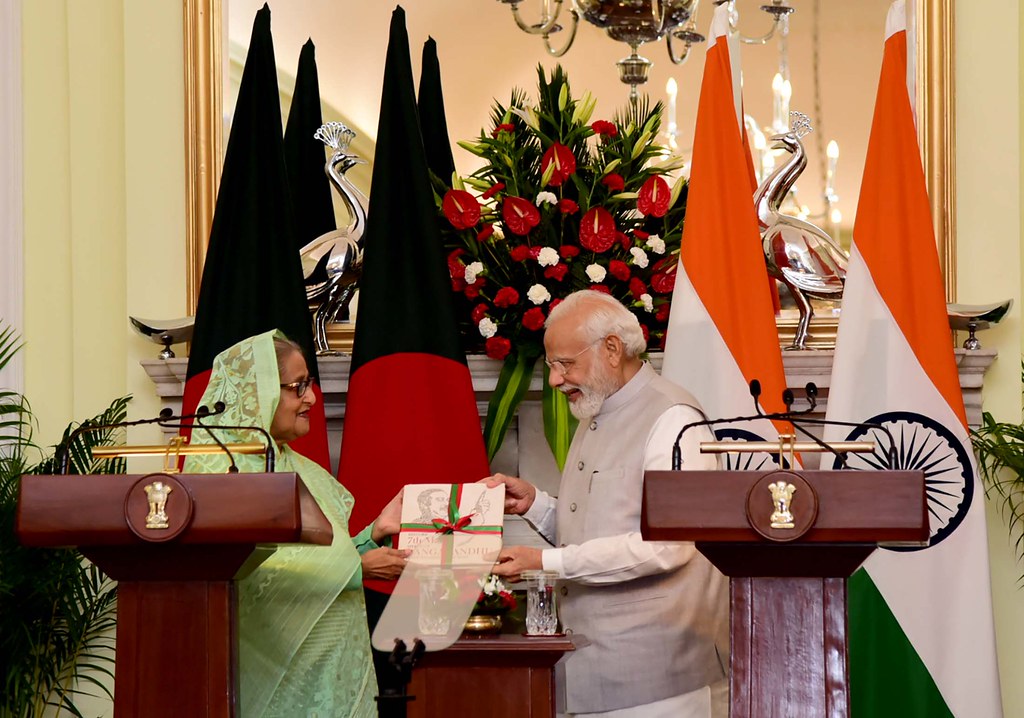
Sheikh Hasina’s wealth, as of the 2022 financial disclosures, was reported at Rs 4.36 crore. Her income sources are diversified, with an annual income reported at Rs 1.07 crore, largely derived from agriculture, which includes a 6-acre farm and fishery operations.
Beyond her official income, Hasina's wealth ties back to substantial assets inherited from her family. This includes real estate holdings such as properties in Bangladesh and apartments in Singapore, which continue to contribute significantly to her wealth. Her listed financial assets include agricultural lands and various commercial investments, playing a crucial role in bolstering her net worth.
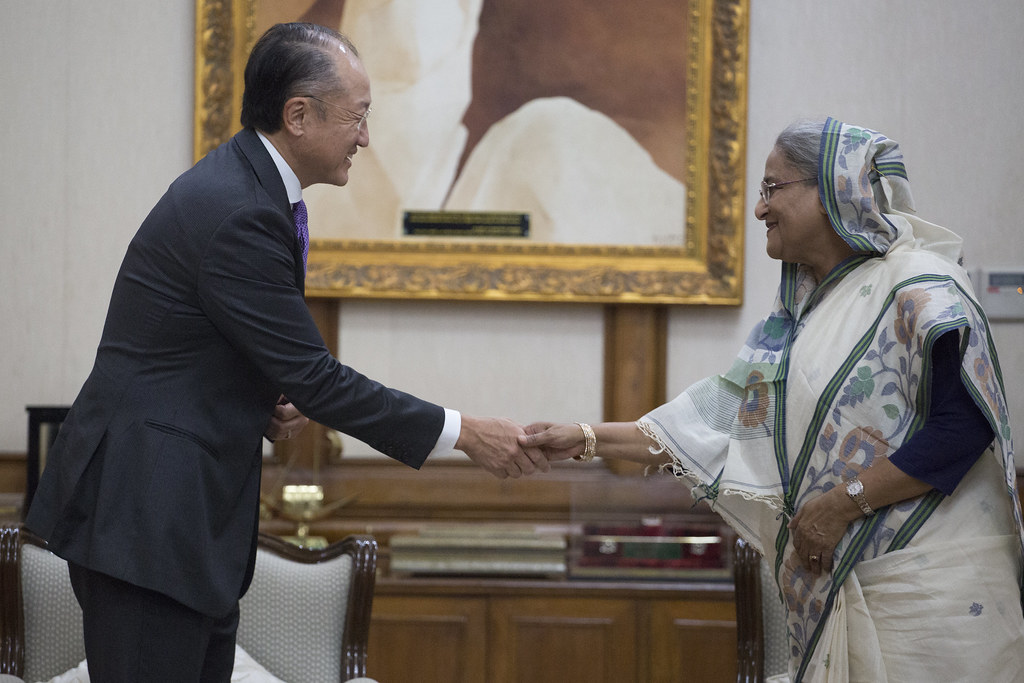
In contrast to her own wealth, recent reports have highlighted the substantial assets held by her servant, Jahangir Alam, who reportedly owns assets valued at Rs 284 crore and resides in the United States. This contrast between Hasina’s declared assets and those of her subordinate has raised eyebrows, prompting investigations into possible undisclosed financial streams tied to her tenure as prime minister.
Sheikh Hasina's long political career saw both progress and setbacks. Economic growth during her second premiership was marred by controversy, including the Padma Bridge graft scandal that strained relations with the World Bank. As the longest-serving female prime minister globally, Hasina remained a pivotal player in Bangladesh's drive towards modernization, despite criticisms of democratic backsliding and stifling opposition voices.
Her government faced various challenges, including extreme weather conditions affecting agricultural output—a key area of her economic policy. Yet, her administration is credited with infrastructural improvements that paved the way for enhanced connectivity and trade.
| Aspect | Details |
|---|---|
| Full Name | Sheikh Hasina |
| Political Career | Prime Minister of Bangladesh (1996-2001, 2009-2024) |
| Net Worth | Rs 4.36 crore (as of 2022) |
| Annual Income | Rs 1.07 crore |
| Main Income Source | Agriculture including a 6-acre farm and fishery operations |
| Family Legacy Assets | Real estate in Bangladesh and apartments in Singapore |
| Additional Assets | Agricultural lands and commercial investments |
| Servant's Wealth | Jahangir Alam, net worth Rs 284 crore, resides in the USA |
| Controversies | Autocratic governance, media restrictions, Padma Bridge graft scandal |
| Contributions | Economic development, infrastructure improvements, resilience to adversities |
| Family Influence | Children Sajeeb and Saima active in politics |
Hasina's personal life, often under scrutiny due to her political prominence, has also been marked by resilience amidst adversities. Facing assassination attempts and enduring personal loss, she has remained a staunch leader, influencing cultural and social paradigms in Bangladesh. Her family's active participation in politics, particularly through her children, Sajeeb and Saima, continues to shape the political narrative in the region.

Sheikh Hasina's net worth reflects a multifaceted portrait of wealth drawn from her political standing, familial legacy, and astute investment strategies, making her a significant figure in South Asian politics.Visit Urban Splatter for more blogs about influential figures.
Exploring Sheikh Hasina's net worth provides insight into a leader who has shaped Bangladesh through economic growth and development initiatives. Understanding her financial footprint offers more than just numbers; it highlights her influence and the progress Bangladesh has experienced under her leadership. Stay informed on such impactful figures to grasp the evolving socio-economic landscapes they help craft. Connect with us for more insights on luxury real estate and the lives of influential people by following our Instagram, Twitter, Facebook, Pinterest, TikTok, and YouTube.
