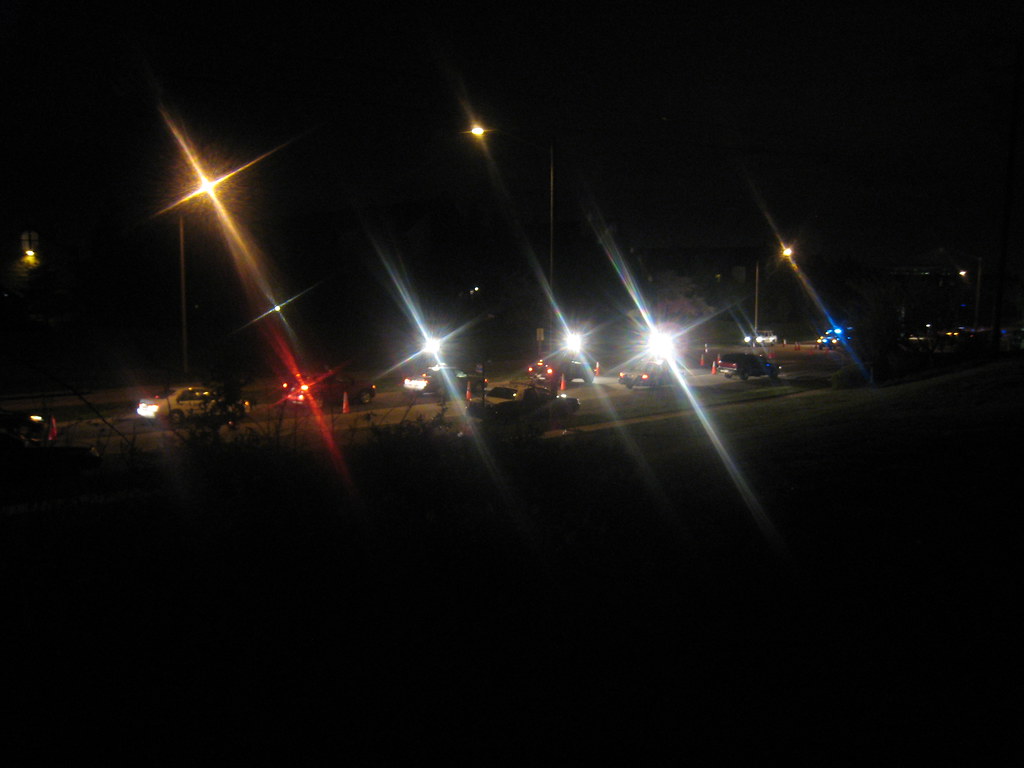
Los Angeles, like many major cities, frequently sets up DUI checkpoints to promote road safety and deter impaired driving. These checkpoints are legal under California law, and their purpose is to check drivers for signs of intoxication. The Los Angeles Police Department (LAPD) often announces checkpoints in advance, although specific locations and times are sometimes withheld to maintain effectiveness.
The primary objective of DUI checkpoints is to reduce alcohol-related accidents and enhance overall public safety. By randomly stopping vehicles and checking driver sobriety, law enforcement aims to discourage driving under the influence and consequently decrease the number of DUI incidents.
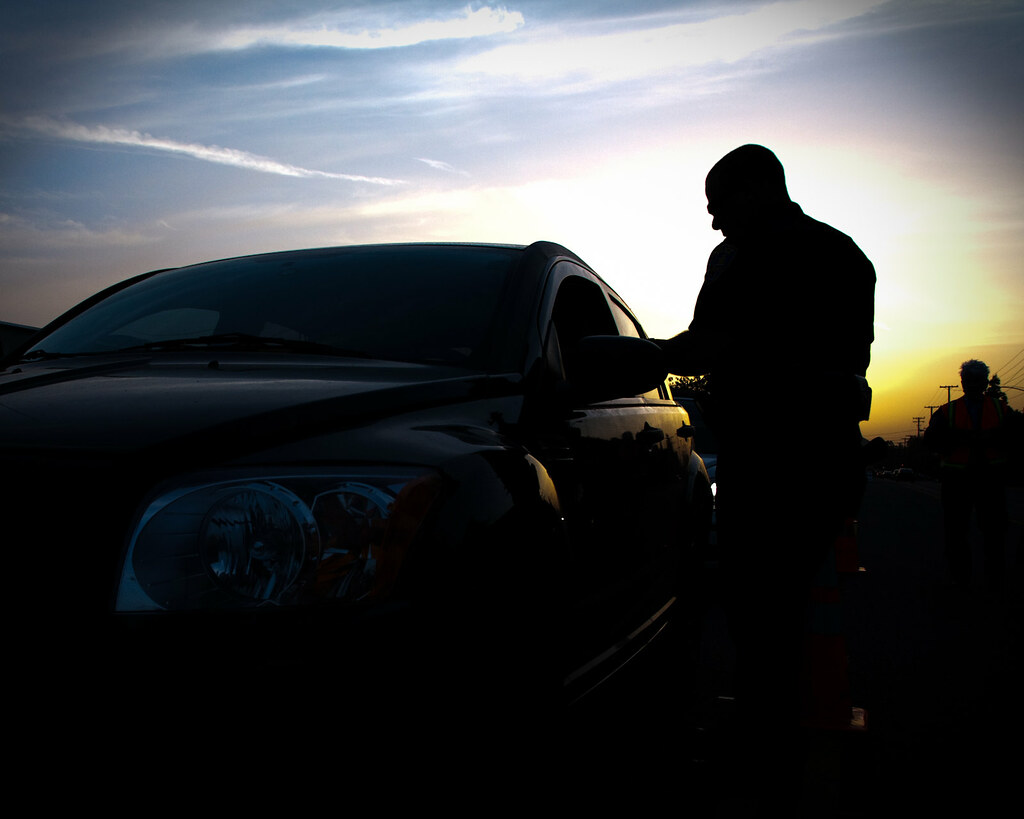
In California, sobriety checkpoints are constitutionally upheld based on guidelines set by the California Supreme Court. The legal criteria include ensuring the checkpoint’s reasonableness, such as having a pattern or a specific sequence for stopping cars, and publicizing the checkpoints in advance when possible.
When approaching a DUI checkpoint in Los Angeles, drivers can expect uniformed officers directing traffic. Officers will ask a few questions to assess whether drivers have been drinking and might conduct field sobriety tests if impairment is suspected. Cooperation with officers can expedite the process.
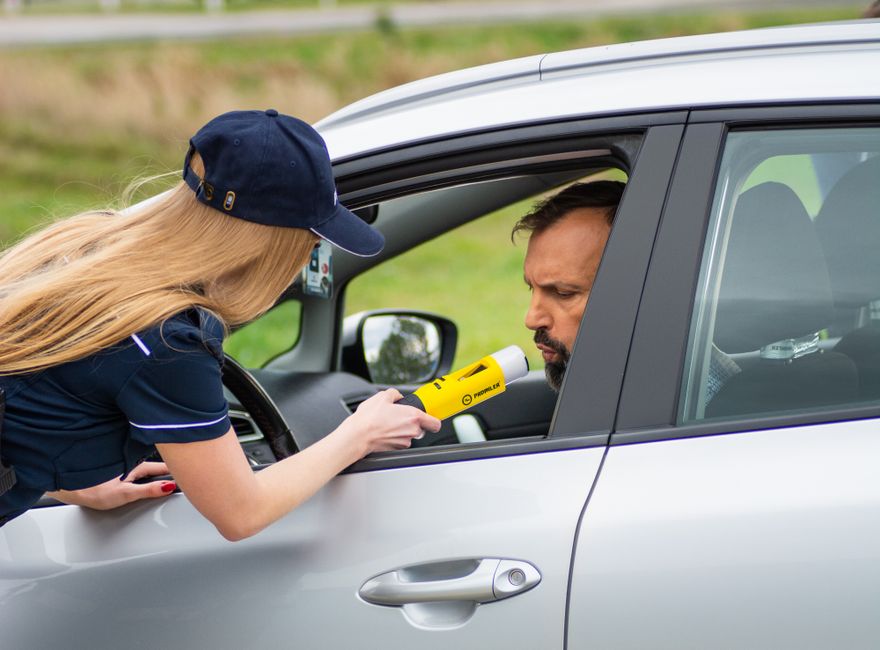
Drivers passing through DUI checkpoints should be aware of their rights, such as the right to remain silent and the right to avoid self-incrimination. However, refusal to cooperate with basic sobriety tests might lead to legal repercussions under California's implied consent laws.
DUI checkpoints serve as a deterrent against impaired driving, thus potentially reducing the number of alcohol-related crashes. Statistics have shown a correlation between active checkpoints and decreased DUI arrests, suggesting that these measures are effective in promoting safer roads in Los Angeles.
| Aspect | Details |
|---|---|
| Purpose | To reduce alcohol-related accidents and enhance public safety. |
| Legal Framework | Guided by California Supreme Court, ensuring checkpoints’ reasonableness and advance publicity. |
| Checkpoint Procedure | Uniformed officers assess drivers for impairment, potentially conducting sobriety tests. |
| Drivers’ Rights | Right to remain silent and avoid self-incrimination; cooperation is required under implied consent laws. |
| Community Impact | Deters impaired driving, effectively reducing alcohol-related crashes and DUI arrests. |