
Vivian Liberto, best known as the first wife of iconic singer Johnny Cash, left a legacy intertwined with both triumph and heartache. Born in 1934 in San Antonio, Texas, Vivian hailed from a Catholic family and came into prominence after she married Johnny Cash in 1954. Their meeting at a skating rink three years prior marked the beginning of a passionate but tumultuous relationship, ultimately inspiring Cash’s hit song "I Walk the Line." Despite the bright spotlight on her husband, Vivian lived a life shadowed by her struggles and determination.
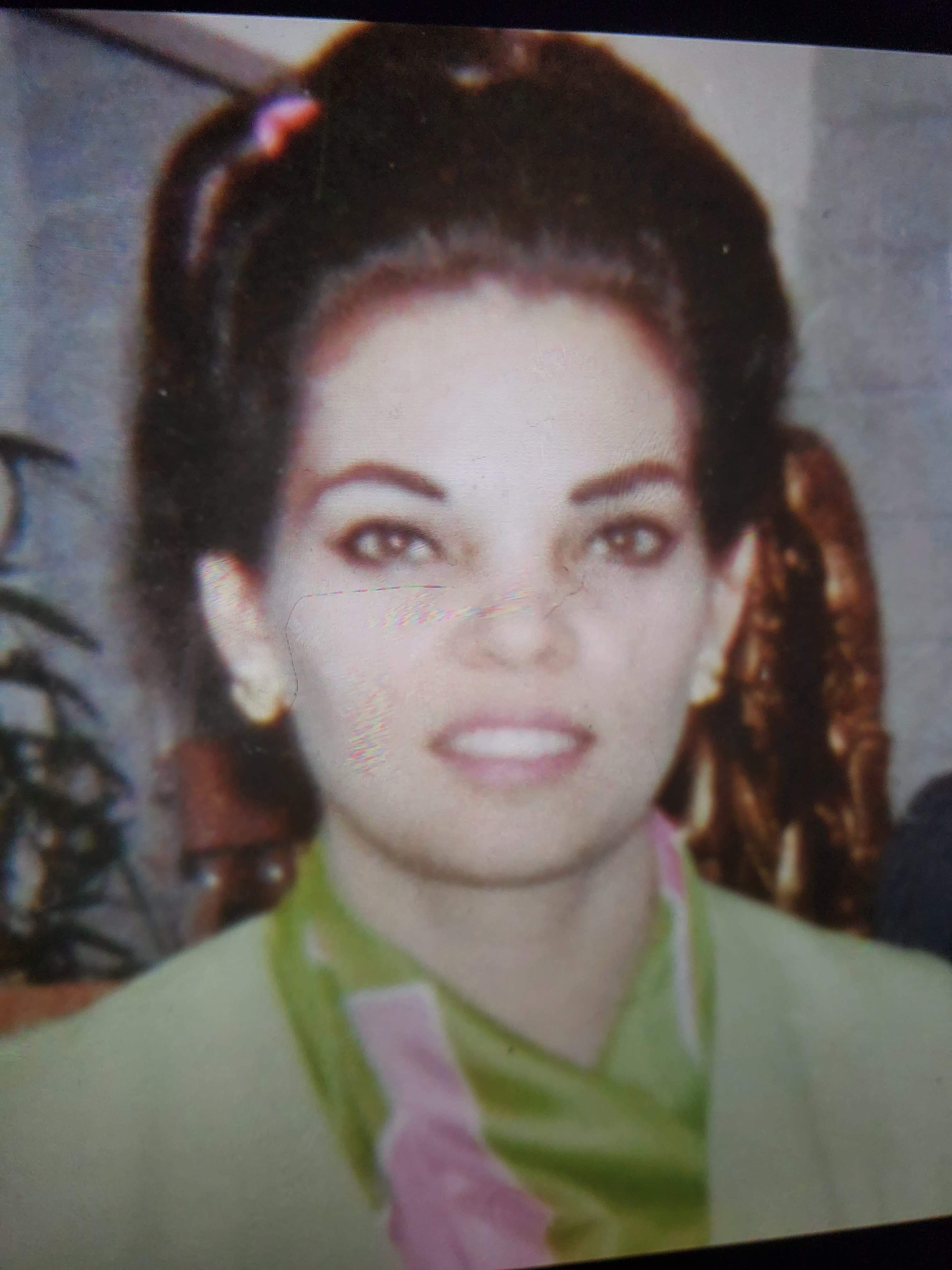
One of the many challenges Vivian faced was public scrutiny over her racial identity. This arose when photographs led some to mistakenly classify her as Black, causing uproar in parts of the United States where interracial marriage still met with fierce opposition. This misidentification subjected her and Cash to significant harassment, showing the dark side of fame amid societal prejudices of the era. Through it all, Vivian clung to her Sicilian roots, firmly identifying as a white Sicilian American.
In the face of adversity, Vivian played a crucial role in managing her family’s daily life, raising their four daughters largely on her own. Her daughters—Rosanne, Kathleen, Cindy, and Tara—were at the heart of her concerns. The strains of Johnny Cash's rising fame, compounded by his struggles with drug addiction and infidelity, painted a turbulent picture that eventually led to their divorce in 1966.
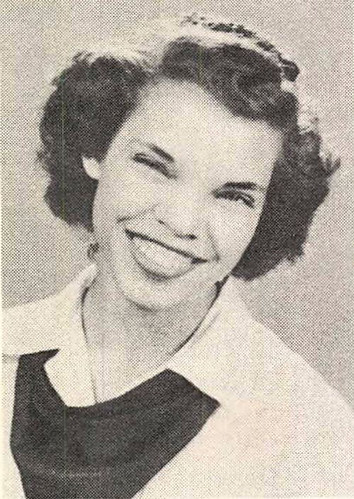
Throughout her life, Vivian kept a record of her days with Johnny Cash, which she later chronicled in her memoir, "I Walked the Line: My Life with Johnny," published in 2007. This book opened a window into the personal and private aspects of their marriage that had long intrigued the public. Her writing provides insight into the joys and challenges faced by a woman living in the shadow of a musical legend. More on this aspect can be read here.
| Event | Details |
|---|---|
| Birth | 1934 in San Antonio, Texas |
| Marriage to Johnny Cash | 1954, after meeting at a skating rink in 1951 |
| Challenges | Faced public scrutiny over racial identity and societal prejudices |
| Children | Raised four daughters: Rosanne, Kathleen, Cindy, and Tara |
| Divorce | 1966, due to Johnny Cash's fame, drug addiction, and infidelity |
| Memoir | "I Walked the Line: My Life with Johnny" published in 2007 |
| Second Marriage | Married Dick Distin and settled in Ventura, California |
| Death | 2005, due to complications from lung cancer |
| Legacy | Remembered for strength, grace, and dedication to family and community |
After her divorce from Cash, Vivian found solace in a quieter life. She remarried Dick Distin, a police officer, and they settled in Ventura, California. Her involvement with the community as a dedicated volunteer reflected her warmth and generous spirit, which friends and family fondly remember. As president of the Garden Club of San Buenaventura, she made her mark outside the realms of Johnny Cash’s narrative.
The specifics of Vivian Liberto's net worth remain largely undefined, although it is apparent she lived a content and peaceful life post-divorce. Vivian's life was enriched more by personal fulfillment and relationships than by material wealth. Reports suggest she enjoyed a comfortable existence surrounded by her loved ones until her passing in 2005 due to complications from lung cancer.
Vivian’s story also delves deeply into her genealogical roots, portraying her Sicilian and African American ancestry. These roots, as explored in her book, help debunk the racial misapprehensions that once plagued her life. She remained steadfast in her identity amidst public debates and misconceptions.
Beyond her personal life, it is important to recognize Vivian's broader cultural impact and resilience. Despite the challenges her first marriage presented, including a media frenzy and societal pressures, she is remembered for her strength, grace, and unwavering dedication to her family. Her story has inspired various representations in media, demonstrating her enduring legacy beyond her association with Johnny Cash.
Vivian's life was also marked by her commitment to service, as she frequently engaged in various charitable activities, endeavoring to impact others positively. From heading clubs to participating in church activities, her life after Johnny Cash was rooted in kindness and community.
Vivian Liberto's life was a blend of drama, dedication, and dignity. Her narrative adds depth to the understanding of Johnny Cash's legacy and illuminates the struggles and triumphs of a woman who lived largely behind the scenes. Through her struggles and successes, Vivian Liberto remains a fascinating figure of her era, known for her grace under pressure and her unwavering devotion to family and community.
Vivian Liberto's net worth may not be well-documented, yet her legacy as Johnny Cash’s first wife and a pivotal influence in his early career remains profound. Her story highlights the often-overlooked role of women in shaping cultural icons. Liberto's personal and financial journey underscores the broader narrative of resilience and influence. For those fascinated by the intersections of fame, personal sacrifice, and history, Vivian Liberto's story is a compelling reminder to value contributions beyond wealth. Stay informed and connected with similar stories by following us on Instagram, Twitter, Facebook, Pinterest, TikTok, and YouTube.
