
Garry Kasparov, a Russian chess grandmaster renowned for his strategic prowess, has established a significant legacy in the world of chess. Born in 1963 in Baku, Azerbaijan, Kasparov showed early promise in chess, quickly rising through the ranks. In 1985, at 22, he became the youngest undisputed World Chess Champion, a title he held for nearly two decades. His reign included being the world's top-ranked player for a record 255 months, a testament to his enduring dominance on the chessboard.

Kasparov's matches against computers, particularly the iconic games with IBM's Deep Blue, marked a new era in chess. The historic 1997 match against Deep Blue, although ending in defeat, drew global attention to artificial intelligence's potential in strategic thinking. These encounters not only shaped his career but also expanded the influence of technology in chess.
After retiring from professional play in 2005, Kasparov transitioned into other pursuits. He has been a vocal political activist, founding the United Civil Front in Russia and actively opposing President Vladimir Putin's policies. In the United States, he supports democratic initiatives through organizations like the Renew Democracy Initiative, underscoring his commitment to fostering democratic values globally.
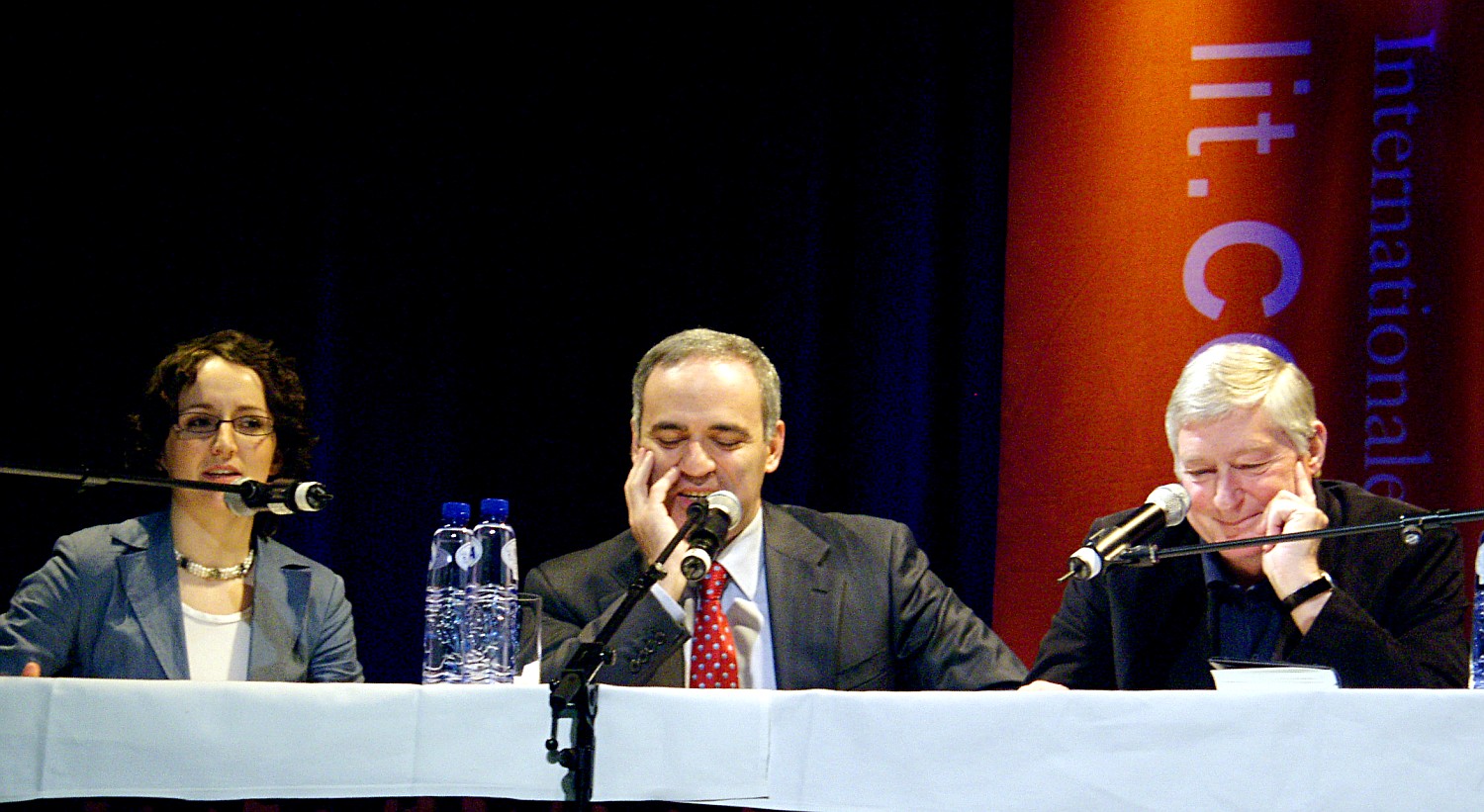
Kasparov's influence extends beyond chess and politics. His best-selling books, such as "My Great Predecessors," offer deep insights into chess strategies and history, drawing enthusiasts and novices alike. Moreover, his public speaking engagements and media appearances continue to reflect his multifaceted intellect and commitment to enlightening others.
Despite stepping away from competitive chess, Kasparov remains influential in the chess world. He has coached and mentored several top players, including Magnus Carlsen, aiding in the development of the next generation of chess champions. His guidance has been invaluable, offering players insights from his extensive experience and strategic understanding.

Kasparov's personal life also contributes to his rich narrative. He has been married three times and is a father, balancing family life with his professional and political endeavors. His real estate investments, alongside other ventures, have further bolstered his financial standing.
Kasparov's financial success mirrors his achievements and diverse interests. His estimated net worth of $6 million arises from tournament winnings, book deals, coaching fees, speaking engagements, and investments in various sectors, including real estate. These ventures demonstrate his ability to leverage his intellectual renown into economic prosperity.
Kasparov's legacy in chess and beyond is undeniable. He has profoundly impacted the game, setting standards for excellence and fostering an appreciation for strategic thought and innovation. His life's work, spanning chess, politics, and publishing, illustrates the breadth of his contributions and his enduring place in history.
| Category | Description |
|---|---|
| Biography | Garry Kasparov, born in 1963 in Baku, Azerbaijan, became the youngest undisputed World Chess Champion in 1985. |
| World Chess Champion | Held the title for nearly two decades and was the world's top-ranked player for a record 255 months. |
| Matches Against Computers | Notable for his games against IBM's Deep Blue, highlighting AI's potential in strategic thinking. |
| Retirement and Activism | Retired in 2005, founded the United Civil Front in Russia, and supports democratic initiatives globally. |
| Authorship | Author of best-selling books offering insights into chess strategies and history. |
| Coaching | Mentored several top players, including Magnus Carlsen, contributing to the development of future champions. |
| Personal Life | Married three times, father, and engaged in real estate investments and other ventures. |
| Net Worth | Estimated at $6 million, derived from chess earnings, books, coaching, speaking engagements, and investments. |
| Legacy | A significant figure in chess, known for rivalries and contributions to the development of modern strategies. |
In examining the world's richest chess players, Kasparov's name consistently appears alongside contemporary giants like Magnus Carlsen and Hikaru Nakamura. Carlsen, for instance, has parlayed his chess acumen into a net worth of $50 million through tournament wins and ventures like the 'Play Magnus' app. Similarly, Nakamura's dynamic gameplay and online presence have solidified his reputation and financial success.
Despite the financial gains of these modern players, Kasparov's contributions to chess's development surpass mere monetary valuation. His rivalries, particularly with Anatoly Karpov, shaped chess strategies and captivated audiences worldwide.
Kasparov's enduring impact continues to inspire and educate future generations, ensuring his position as a legendary figure in the intricate, intellectually demanding, and ever-evolving world of chess.
Garry Kasparov's net worth is estimated to be around $6 million. This wealth is a culmination of his illustrious career as a chess grandmaster, book sales, coaching fees, public speaking, and strategic investments. Despite his retirement from competitive play, Kasparov continues to generate income through his ongoing involvement in chess and political activism.
More about Garry Kasparov's influence.
Exploring Garry Kasparov's net worth reveals not just the wealth amassed from his legendary chess career but also his ventures beyond the board, including writing, speaking engagements, and political advocacy. His financial successes are a testament to leveraging expertise across diverse disciplines. Kasparov's journey inspires us to pursue passion with purpose, and his story continues to captivate and influence. Stay engaged with thought-provoking insights and updates on luxury real estate and celebrity homes by following us on Instagram, Twitter, Facebook, Pinterest, TikTok, and YouTube.
